Remote Work Interview Mastery: AI-Powered Strategies for Virtual Success
Jessica Martinez
Introduction
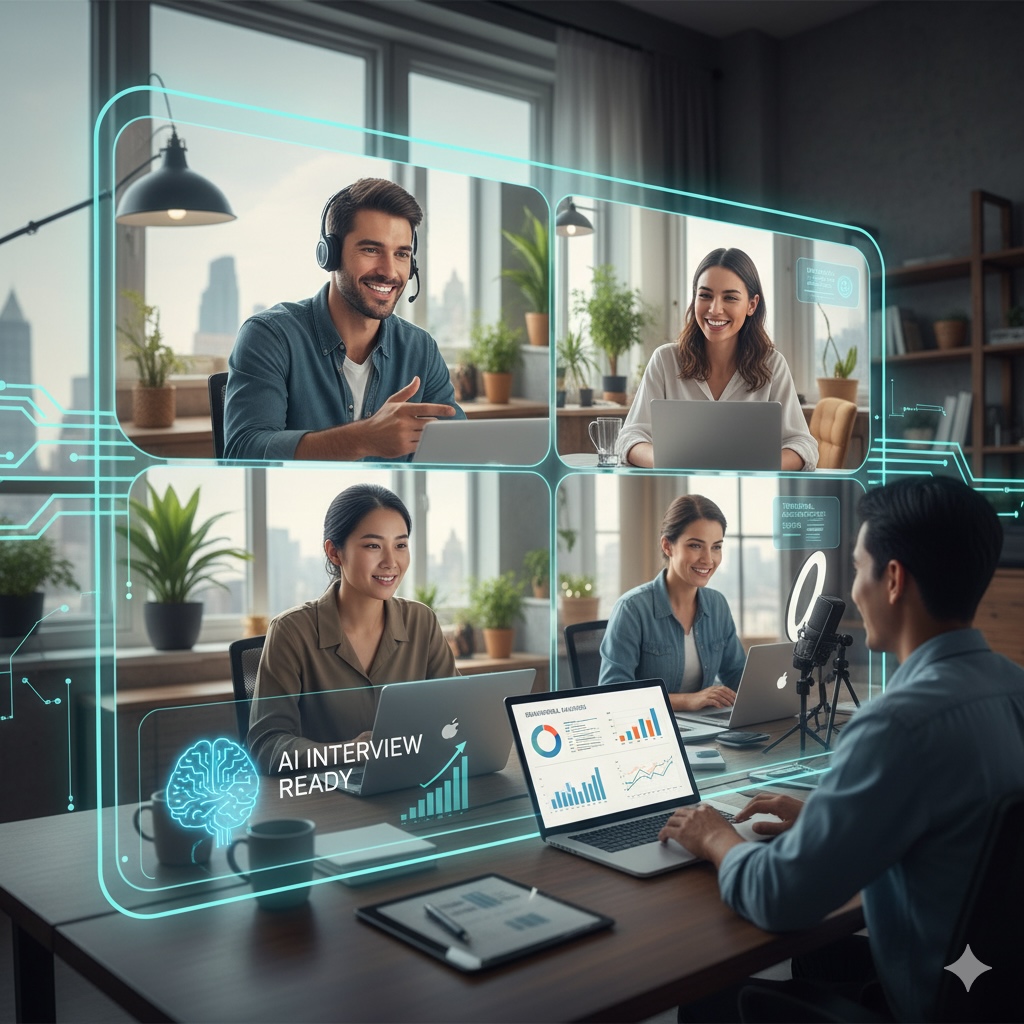
The remote work revolution has fundamentally changed how we approach job interviews. Virtual interviews are now the norm, not the exception, and mastering this format requires a unique set of skills and strategies. With AI-powered interview preparation, you can gain the competitive edge needed to excel in virtual interviews and land your dream remote position.
This comprehensive guide will walk you through proven strategies, technical considerations, and AI-enhanced preparation techniques that will transform you into a virtual interview master.
The Virtual Interview Landscape: What's Different?
Virtual interviews present unique challenges that traditional face-to-face meetings don't. Understanding these differences is crucial for success:
Technical Considerations: Internet connectivity, audio quality, video clarity, and platform familiarity all play critical roles in your interview performance. A single technical glitch can derail an otherwise perfect interview.
Non-verbal Communication: Body language, eye contact, and spatial awareness work differently through a screen. You need to adapt your communication style to be effective in a digital environment.
Environmental Control: Unlike office interviews, you have complete control over your environment, but this also means you're responsible for eliminating distractions and creating a professional atmosphere.
AI-Powered Preparation: Your Virtual Interview Advantage
Artificial intelligence has revolutionized interview preparation, especially for virtual formats. AI Interview Ready's advanced algorithms can simulate realistic virtual interview scenarios, providing you with:
Realistic Virtual Practice: Experience mock interviews that replicate the exact conditions of your actual virtual interview, including video delays, audio quality variations, and platform-specific features.
Behavioral Analysis: AI analyzes your on-screen presence, tracking eye contact patterns, gesture effectiveness, and vocal clarity to provide actionable feedback for virtual communication.
Technical Readiness Assessment: Get comprehensive technical setup evaluations, including lighting analysis, audio quality checks, and background optimization recommendations.
Technical Setup Mastery
Your technical setup can make or break your virtual interview. Here's how to create a professional, reliable setup:
Camera Positioning: Position your camera at eye level to maintain natural eye contact. Avoid looking down or up at the camera, as this creates unflattering angles and poor connection with interviewers.
Lighting Optimization: Use natural light when possible, positioned in front of you to illuminate your face evenly. Avoid backlighting from windows behind you, which creates silhouettes.
Audio Quality: Invest in a quality headset or external microphone. Clear audio is more important than perfect video quality. Test your audio setup beforehand and have backup options ready.
Internet Stability: Use a wired connection when possible. If using Wi-Fi, position yourself close to the router and close unnecessary applications that consume bandwidth.
Virtual Body Language and Communication
Effective communication through a screen requires adapted techniques:
Eye Contact Technique: Look directly at the camera lens, not the screen, when speaking. This creates the impression of direct eye contact with your interviewer. Practice this technique until it feels natural.
Gesture Optimization: Keep hand gestures within the camera frame and slightly exaggerated compared to in-person interactions. Virtual communication can flatten emotional expression, so be more animated than usual.
Vocal Clarity: Speak slightly slower and more clearly than in normal conversation. Virtual audio can compress speech, making rapid or mumbled speech difficult to understand.
Platform-Specific Strategies
Different video conferencing platforms have unique features and quirks. Prepare for the most common platforms:
Zoom Mastery: Familiarize yourself with mute/unmute shortcuts, screen sharing capabilities, and virtual background options. Know how to quickly troubleshoot common Zoom issues.
Microsoft Teams: Understand the interface layout, chat functionality, and how to share your screen effectively. Practice joining meetings and using the raise hand feature.
Google Meet: Learn the simplified interface and understand how to optimize video quality settings. Practice using the chat feature for sharing links or documents.
Managing Virtual Interview Anxiety
Virtual interviews can create unique anxiety triggers. Here's how to manage them:
Technology Anxiety: Conduct multiple test runs with friends or family. Familiarity with the technology reduces anxiety and builds confidence.
Isolation Concerns: Virtual interviews can feel impersonal. Combat this by researching your interviewers on LinkedIn and preparing personalized questions that create connection.
Distraction Management: Create a dedicated interview space free from interruptions. Inform household members of your interview schedule and put devices on silent mode.
AI-Enhanced Answer Preparation
Use AI tools to prepare answers specifically optimized for virtual delivery:
Concise Storytelling: Virtual interviews often require more concise answers due to attention span limitations. AI can help you craft impactful stories that maintain engagement through a screen.
Visual Aid Integration: Prepare to share your screen with portfolio items, presentations, or documents. AI can help you identify the best moments to incorporate visual elements into your responses.
Energy Optimization: Virtual communication requires higher energy levels to translate effectively through video. AI coaching can help you find the right energy level that appears natural and engaging on camera.
Follow-Up Excellence in the Digital Age
Virtual interviews require adapted follow-up strategies:
Immediate Technical Acknowledgment: If technical issues occurred during the interview, address them briefly in your thank-you note, demonstrating professionalism and problem-solving skills.
Digital Portfolio Sharing: Use the follow-up opportunity to share digital portfolios, work samples, or additional resources that showcase your capabilities.
Connection Requests: Send personalized LinkedIn connection requests to your interviewers, referencing specific conversation points from the virtual meeting.
Advanced Virtual Interview Techniques
Take your virtual interview skills to the next level with these advanced strategies:
Multi-Camera Setup: For senior positions, consider a professional multi-camera setup that allows for dynamic angles and enhanced visual presentation.
Interactive Presentations: Prepare interactive screen shares that engage interviewers and demonstrate your technical proficiency and presentation skills.
Virtual Whiteboarding: Master digital whiteboarding tools for technical interviews, system design discussions, or collaborative problem-solving sessions.
Measuring Your Virtual Interview Success
Track your virtual interview performance with these metrics:
Technical Reliability: Monitor your setup's performance across multiple practice sessions and actual interviews. Aim for zero technical interruptions.
Engagement Indicators: Pay attention to interviewer engagement cues specific to virtual meetings, such as active participation, follow-up questions, and extended conversation time.
Follow-up Response Rates: Track how quickly and positively interviewers respond to your post-interview communications, indicating successful virtual connection building.
Conclusion
Mastering virtual interviews is no longer optional—it's essential for career success in our increasingly remote world. By combining proven virtual interview strategies with AI-powered preparation tools, you can transform what many see as a limitation into your competitive advantage.
Remember, virtual interviews aren't just about adapting to technology; they're about leveraging technology to showcase your best professional self. With proper preparation, technical mastery, and AI-enhanced practice, you'll not only succeed in virtual interviews but excel beyond your competition.
Start your AI-powered virtual interview preparation today and take the first step toward remote work success.
Tags:
Share this article:
Ready to ace your next interview?
Practice with AI Interview Ready and get personalized feedback on your interview responses.
Start Practicing TodayRelated Articles

Does AI Interview Prep Actually Work? Data-Backed Effectiveness Analysis
AI interview preparation works, with research showing candidates are 3.7× more likely to advance to final rounds and receive 24% higher salary offers. Data-driven analysis of effectiveness, ROI, and when it works best.

Conquer Interview Anxiety: Tips for Staying Calm and Confident
Overcome interview nerves with practical strategies for managing anxiety and projecting confidence during job interviews.
How to Prepare for an Interview From the Job Description (With 5 Role Examples)
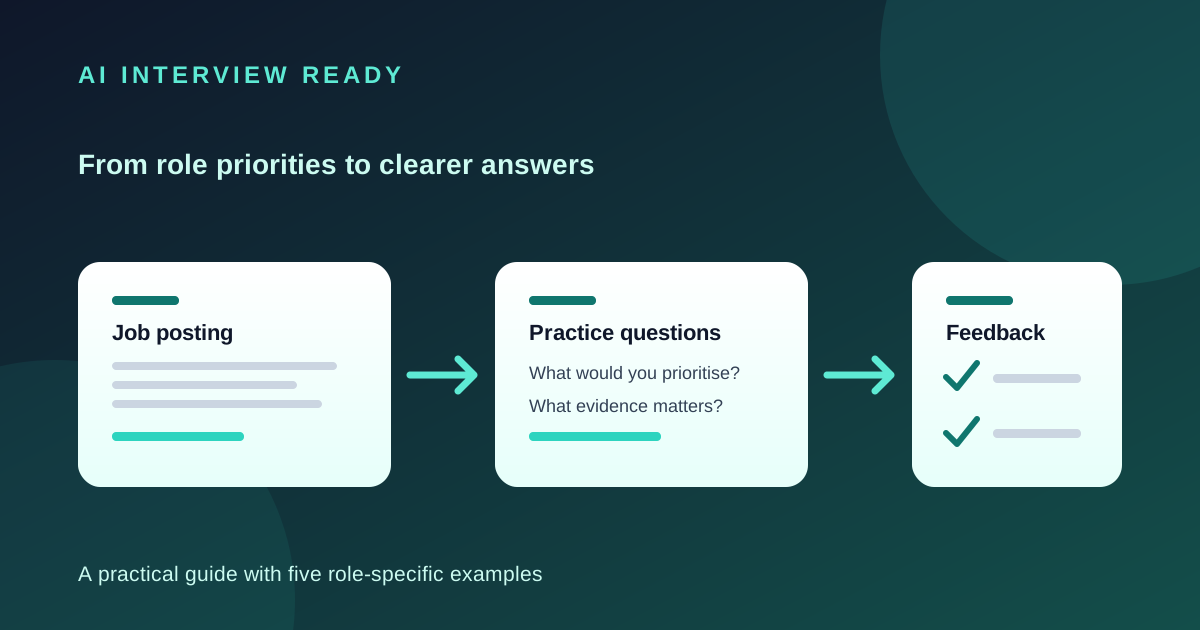
A practical way to turn any job posting into likely discussion themes, stronger examples from your experience, and a focused practice session.